Digital Bookkeeping in 2026: A Guide for Entrepreneurs in Aalsmeer
As we approach 2026, digital bookkeeping is no longer optional for Dutch entrepreneurs. Learn how to modernize your administration, save time on VAT filings, and stay compliant with Belastingdienst regulations.
The Shift to Digital: Why 2026 is the Turning Point
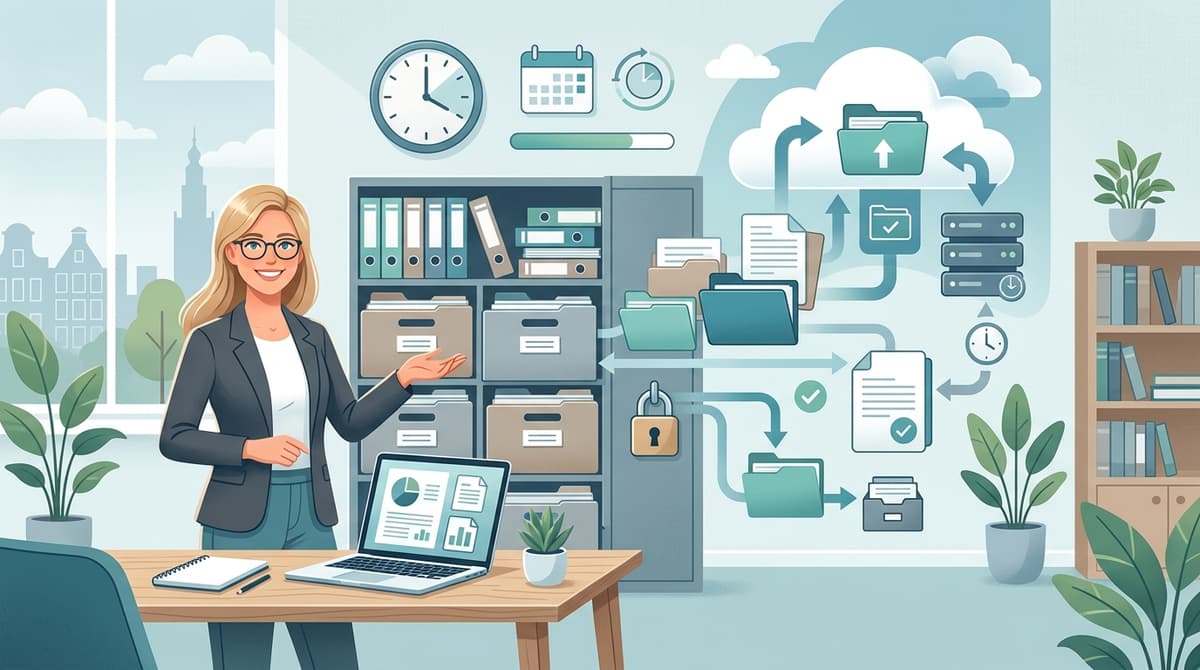
By 2026, the Dutch tax landscape will be further integrated with digital-first initiatives. For ZZP'ers and SMEs in Aalsmeer, moving away from the 'shoe box' method of receipts is essential. Digital bookkeeping allows for real-time data synchronization with the Belastingdienst, making the quarterly BTW-aangifte (VAT return) a matter of clicks rather than hours of manual labor. Administratiekantoor Zandwijken has observed that clients who embrace automation reduce administrative errors by up to 40%. Furthermore, digital archives ensure you meet the statutory 7-year retention period (bewaarplicht) without physical storage costs.

Comparing Software: Finding the Right Fit for Your Business
Not all accounting software is created equal. For freelancers (ZZP), simple tools like Moneybird or e-Boekhouden offer intuitive interfaces for invoicing and expense tracking. For growing SMEs (MKB), more robust systems like Exact Online or Twinfield provide advanced features like payroll integration (salarisadministratie) and inventory management. When comparing, look for 'UBL' support, which allows different software systems to read each other's invoices automatically. Ensure the software offers a direct bank link (bankkoppeling) with major Dutch banks like ING, ABN AMRO, or Rabobank to automate your transaction matching.

Practical Benefits: From Real-Time Insights to Tax Savings
Digital bookkeeping provides a clear 'dashboard' of your financial health. Instead of waiting for year-end reports, you can see your current profit and loss, outstanding 'debiteuren' (debtors), and your expected Inkomstenbelasting (Income Tax) liability at any moment. This visibility is crucial for making investment decisions or applying for business loans. Additionally, automated systems help you never miss a deduction, such as the Kleinschaligheidsinvesteringsaftrek (KIA), ensuring you pay the minimum legal amount of tax while staying fully compliant with Dutch regulations.

The Transition Process: How to Switch Without the Stress
Switching to a digital system is best done at the start of a new fiscal year or a new quarter. Start by digitizing your current 'stamgegevens' (master data), including customer and supplier details. Use an app to scan old receipts and upload them to your new cloud environment. It is highly recommended to consult with a professional like Mitchell Zandwijken during this phase. We help Aalsmeer entrepreneurs map their old ledger accounts to new digital categories, ensuring historical data remains accessible and the transition does not interrupt your daily operations or VAT deadlines.
Compliance and Security: Protecting Your Financial Data
Security is a top priority when moving to the cloud. Ensure your chosen provider is ISO certified and compliant with GDPR (AVG) regulations. Digital bookkeeping actually increases security compared to paper records, as it provides encrypted backups and audit trails. In the event of a 'boekenonderzoek' (tax audit) by the Belastingdienst, having a digital, organized administration makes the process significantly faster and less intrusive. Your data is stored safely in Dutch or European data centers, protected against physical damage like fire or water leaks that could destroy paper archives.
Frequently Asked Questions
Is digital bookkeeping mandatory for ZZP'ers in 2026?
Can I switch software in the middle of the financial year?
What is UBL and why does it matter?
Sources & References
More articles

Tax Advice for Entrepreneurs: Everything You Need to Know
As an entrepreneur, it is crucial to properly manage your tax affairs. Professional tax advice can help you optimally benefit from all available regulations and deductions, leaving you with more money for your business.
How Long to Keep Your Business Records?
As an entrepreneur, it's crucial to know how long you need to keep your business records. This blog explains the legal retention periods and provides practical tips.